
Hi-Res: PET 2001
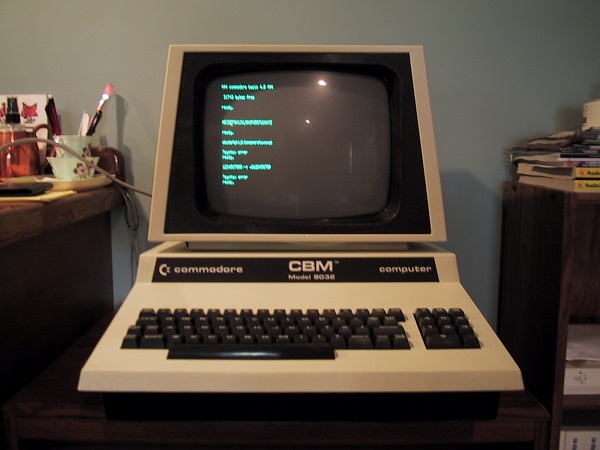
- PET2001_web.jpg (71.29 KiB) Viewed 792 times

I do have a few Macs, including a Classic, and an iMac G3, but they are pretty common. I have a pile of other “junk” (I believe that is the correct spouse speak term), including an Acorn Atom, ZX-81, Psion 5MX… Casio FX-602P… all of which are still functional .
They are now worth almost as much as they cost new. It would have been a better investment than some of the internet bubble stocks that the Clydesdale Bank Investment “experts” blew some of my hard earned cash on.
I only have a sentimental attachment to the unit and my sentiment can be bought for far less than the eBay one

<…>
Its interesting to see what fits in to the category of junk. Old electronic item = “junk”, but bizarre, rarely if ever used kitchen utensils (of which we have several cupboards worth) = “essential and irreplaceable”.

I still have an old Friden calculator that I got from a heirloom. It was working when I got it, but something broke during one of my moving. I didn’t took time yet to fix it.
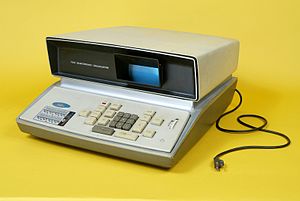
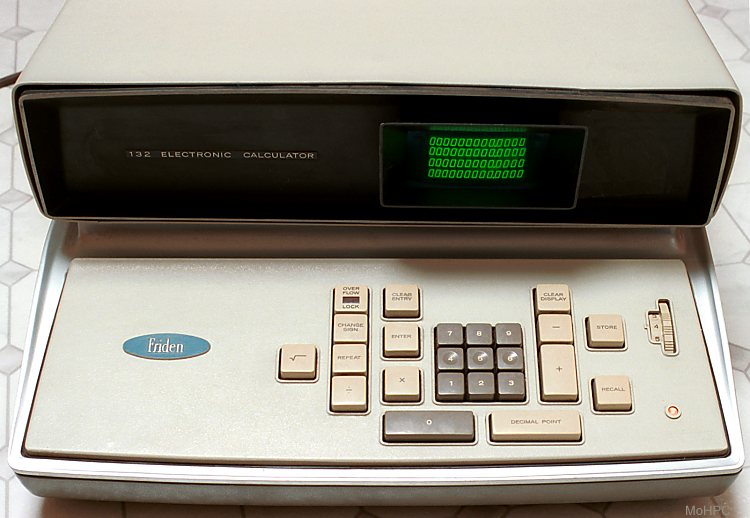
They had similar gadgets sitting around, and lots of microscopes. There was also a time share system that used paper tape, or punched cards for input.
The Commodore PET and some PDP-11s and a DG Nova replaced all of that over the course of a few years. At around 13 or 14 years of age, I must have expressed enough interest to get invited along to an informal lecture, where we spent a couple of hours wiring up some metal shielded rs232 cables, using thick braided shielded cable, in order to connect up the PET and the Data General Nova.
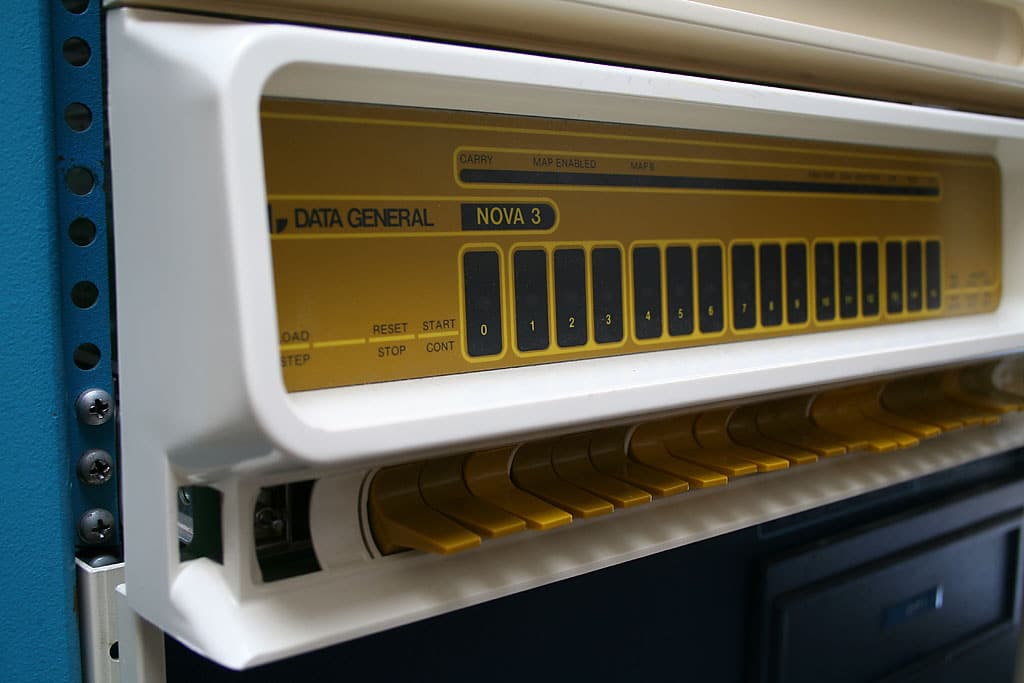
The Commodore PET (actually a series of PETS, eventually working our way up to a 48K PET (CBM Model 4032) with Dual Disk Drive) came home with me, and I assisted my dad programming some routines which were used to measure the area of leaves of Sorbus Arranensis, and a few other trees. We used a crude and expensive digitiser called a Bit Pad, attached to the IEEE bus, to mark the rough area of the leaf, then calculated the area within the bounds of the array of co-ordinates, a slow and somewhat hit and miss process.  Needless to say, it got me hooked on coding, electronics and problem solving.
Things have moved on somewhat, you could no doubt get better results pretty much instantly these days, using a Pi a Webcam and about 10 lines of Python.
Here is the oldest calculator I have in my collection, some may remember. I purchased it in 1972 for my father who worked in the insurance business as an underwriter … it caused quiet a stir in his office 
I stuck in a set of new NiCads to get this puppy up and running for the photos…
It was a million times better than the version they had paid nearly £100 for for teaching. That version involved entering the program as BASIC data lines. Mine had on screen editing, code/label/variable completion and a single step facility for debugging. It was used in most of the schools in the area I later found as the commercial version was that useless.
I did try to make it into a compiler using poke statements from basic as we had no assembler, I gave it up as we I only got 2 hours a week computer time.
It was a million times better than the version they had paid nearly £100 for for teaching. That version involved entering the program as BASIC data lines. Mine had on screen editing, code/label/variable completion and a single step facility for debugging. It was used in most of the schools in the area I later found as the commercial version was that useless.
I did try to make it into a compiler using poke statements from basic as we had no assembler, I gave it up as we I only got 2 hours a week computer time.


